
Boat Fishing in Lake Greenwood can be rewarding, but good fishing conditions do not always mean safe boating. Storms, changing lake levels, and heavy traffic can turn a routine trip into a risky one.
Yes, boat fishing in Lake Greenwood can be safe when you follow South Carolina boating laws and make decisions based on the conditions that day. The important thing is knowing what to check before launching.
What Should You Check Before Launching?
Start with the boat. Check the motor, battery, fuel, and safety equipment. Tell someone on shore your route and expected return time.
The South Carolina Department of Natural Resources boating safety guidance recommends checking weather conditions, carrying properly sized lifesaving equipment, inspecting lights, and sharing a float plan before leaving shore.
Check the water level, too. Greenwood County manages the reservoir using a seasonal rule curve, so the amount of water at a familiar launch or shallow shoreline can change.
If this is your first time on the reservoir, Planning Your First Lake Greenwood Fishing Trip: What You Need to Know covers broader trip preparation.
What Equipment Does South Carolina Require?
South Carolina requires a properly sized, accessible, serviceable U.S. Coast Guard-approved wearable life jacket for every person on board. A boat 16 feet or longer also generally needs a throwable flotation device.
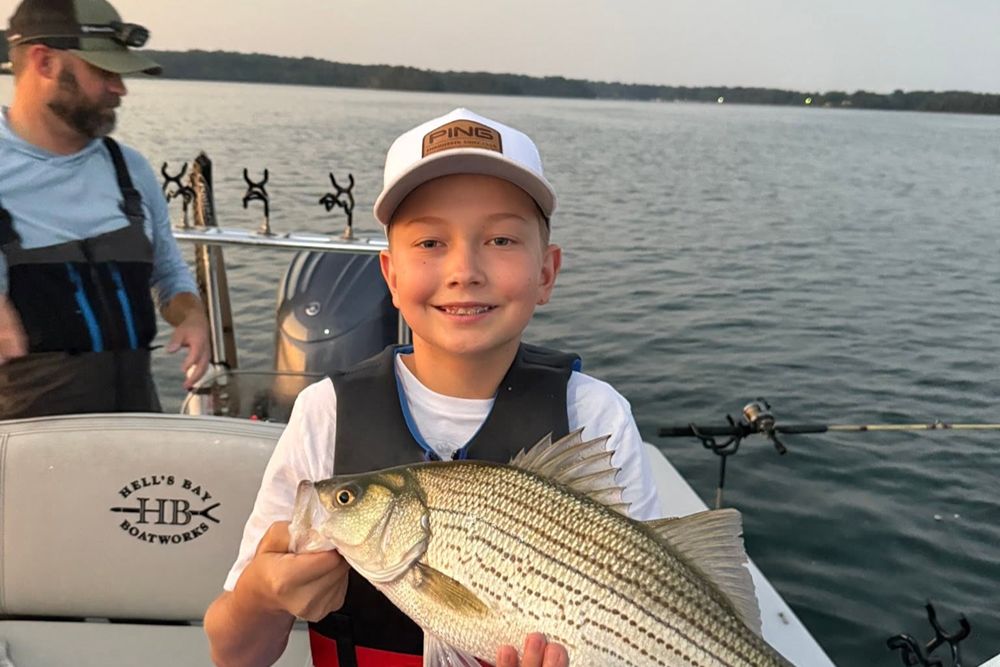
Children under 12 must wear an approved life jacket while aboard a vessel shorter than 16 feet. Wearing one throughout the trip is wise, regardless of age.
Check boater education requirements, too. People born after July 1, 2007 generally must complete an approved boating safety course to operate a vessel powered by a motor of 10 horsepower or more, unless a statutory exception applies.
How Close Can You Run to Docks and Other Boats?
This is especially important on developed sections of Lake Greenwood. South Carolina law prohibits operating above idle speed within 100 feet of a dock, pier, wharf, or bulkhead, or within 50 feet of an anchored or moored vessel or someone in the water, subject to statutory exceptions.
Slowing down protects stationary anglers and prevents disruptive wakes. These distances are specified in South Carolina Code § 50-21-870.
Fishing and operating rules are different. For species limits and legal fishing methods, see Fishing Regulations in Lake Greenwood: What Every Angler Must Know.
Which Hazards Are Easiest to Miss?
- Shallow water: Stay alert near creek mouths, shoreline edges, and areas where the lake level has fallen. A fishing map or depth finder is useful, but slow visual navigation is still necessary.
- Wake and traffic: Passing wakes can rock a stationary fishing boat. Keep tackle out of walkways and secure loose gear before moving.
- Summer storms: Wind, heavy rain, and lightning can develop quickly. Check the forecast before leaving and head toward safe shelter when threatening weather approaches.
These risks affect independent anglers and guided fishing trips alike.
Is a Small Fishing Boat Less Safe?
A jon boat or kayak may be more vulnerable to wind and passing wakes than a larger fishing boat. Keep weight balanced, respect the vessel’s capacity, and choose a route with practical access to shore.
Overloading a small boat with coolers and tackle can reduce stability.
The U.S. Coast Guard’s recreational boating safety resources explain the importance of wearing life jackets, filing a float plan, and arranging vessel safety checks. These precautions are particularly helpful for anglers using smaller boats.
Has the 2026 Fish Kill Made Boating Unsafe?
The April 2026 fish kill raised understandable questions. However, the South Carolina Department of Environmental Services says its routine monitoring and specialized sampling have not indicated a concern with recreating in Lake Greenwood or consuming fish from it.
That finding does not replace weather checks or boating precautions. For the investigation and fish-consumption details, read Can You Safely Eat Fish from Lake Greenwood After the 2026 Fish Kill?.
Is It Safe to Fish from a Boat After Sunset?
Night fishing is permitted, but darkness reduces your ability to judge distances, spot unlit objects, and identify a familiar ramp. Navigation lights must be displayed between sunset and sunrise, and a properly working light system should be checked before departure.
Plan your return route, slow down, and carry more than a phone for navigation. Our article Does Lake Greenwood Have a Night Fishing Season? explains the fishing side of an after-dark outing.
When Is Postponing the Better Decision?
Postpone if storms threaten, the engine or lights are unreliable, the ramp looks unsafe, or life jackets are missing. Return early if winds strengthen.
Lake Greenwood Fishing Reports describe fish activity, not whether the water is safe to navigate.
Conclusion
If you would prefer local guidance while getting familiar with the water, contact Lake Greenwood Fishing Guides to discuss a carefully planned fishing outing.