
If you’re planning Crappie Fishing in Lake Greenwood, here’s the honest answer most anglers learn after a few trips:
Brush piles are usually the more consistent option.
Open water can be the faster option when it turns on.
The trick is knowing when to commit to one pattern—and when to pivot.
Before we get into the “how,” let’s keep it legal and simple.
Quick Lake Greenwood rules that matter for crappie
Lake Greenwood has its own set of special regulations, but crappie generally follow South Carolina’s statewide freshwater limits.
- Crappie minimum length: 8 inches
- Daily limit: 20 crappie per person
If you want a deeper rules breakdown, read the post: Fishing Regulations in Lake Greenwood: What Every Angler Must Know.
Think of it like a “two-pattern scorecard”
Instead of arguing brush versus open water, it helps to grade them by what most visitors actually want.
Brush piles usually win for…
- Consistency: Fish relate to something solid (cover) and often stay put longer.
- Repeatability: If you find the right depth and type of brush, you can run similar spots.
- Hot months: SCDNR’s freshwater trends for Lake Greenwood note crappie start June on brush and, as it gets hotter, better fish are often on deeper main-lake brush.
Open water can win for…
- Speed: When crappie roam with bait, you can stack quick catches.
- Bigger schools (sometimes): The fish may group up when they’re actively feeding.
- Low-cover zones: If an area doesn’t have much structure, roaming becomes more common.
The “If this, then that” decision tree
Use these quick cues on the water.
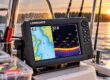
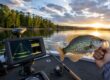
If you see crappie tight to cover on your electronics…
When fish are glued to cover (especially deeper), vertical presentations tend to shine.
A helpful post for readers here is: How Do You Catch Crappie Fishing in Lake Greenwood?
If you see baitfish balls suspended and crappie marks around them…
This is when roaming crappie can be catchable away from obvious cover, especially when they’re feeding.
If you’re getting short strikes or “pecks” on brush…
Depth, speed, and profile matter. A small adjustment often beats abandoning the pattern.
What “brush pile crappie” usually look like on Lake Greenwood
Brush doesn’t have to mean “random sticks in the lake.” South Carolina DNR biologists place fish attractors on major reservoirs, and these sites are often marked with buoys and built from different materials.
Practical approach:
- Start with known attractors/cover and dial in a depth range.
- If the fish are there but won’t commit, slow down and fish more vertically.
- When the heat ramps up, don’t be surprised if your better fish are on deeper, main-lake brush.
When open water becomes the better play
Open-water windows tend to show up when:
- Bait is active and moving
- Fish are suspended (not buried in cover)
- You notice quick feeding flurries rather than steady picking
The downside: if the bait shifts, the bite can vanish fast—so it’s less predictable than brush.
Common questions visitors ask
Do I need brush piles to catch crappie on Lake Greenwood?
“Is it okay to keep smaller crappie if they’re close?”
“What’s the easiest pattern for a first trip?”
If you’re planning ahead for seasonal success, check out What is the Best Month to Catch Crappie Fishing in Lake Greenwood? to better understand when different patterns tend to peak.
A simple game plan you can copy for your next trip
- Start on brush until you confirm depth and activity.
- If you spot suspended bait and fish off-cover, test open water for 10–15 minutes.
- If open water doesn’t reload quickly, go back to brush and refine depth/presentation.
- Keep only legal fish: 8 inches minimum, 20 per day.